You may have seen recent news about Nipah virus cases in India — including a confirmed case in Kerala this June. It’s a serious topic, and understandably, it raises questions for families, especially those caring for elderly or vulnerable relatives at home: how exactly does this virus spread from one person to another, and what can a household actually do to stay safe?
This guide explains what’s currently known about Nipah virus transmission and the practical safety steps every family and caregiver should know — written to inform, not alarm.
What Is Nipah Virus?
Nipah virus is a serious infection that originates in fruit bats and can spread to humans, either directly from animals or through contaminated food. Once a person is infected, the virus can also spread from that person to others — which is the part most families want to understand.
Outbreaks have occurred periodically in Kerala and other parts of India since 2018, usually involving a small number of cases. Health authorities monitor these closely, and in the current 2026 Kerala case, contacts of the patient — including healthcare workers — were identified and monitored, with no further spread confirmed at the time of reporting.
How Does Nipah Virus Spread From One Person to Another?
Understanding the actual transmission route matters, because it directly shapes what precautions are useful. Person-to-person spread of Nipah virus happens through:
- Close, unprotected contact with an infected person’s bodily fluids — including respiratory secretions, saliva, urine, or blood.
- Caregiving and nursing contact — family members and healthcare workers caring for a sick person are at higher risk if proper precautions aren’t used, since close contact is unavoidable during care.
- Hospital settings with inadequate infection control — crowded, poorly ventilated facilities without proper protective equipment, hand hygiene, or disinfection increase the risk of spread between patients and staff.
It’s worth being clear about what Nipah is not: it does not spread through casual contact like passing someone in the market, and there is no evidence it spreads through air over long distances the way some respiratory viruses do. The risk is concentrated in close, sustained contact — particularly in caregiving and healthcare environments.
It’s also worth noting the original source of most outbreaks: consuming raw date palm sap or fruit contaminated by infected bats. Many outbreaks in India and Bangladesh have been traced back to this route before any person-to-person spread occurs.
Symptoms to Watch For
Nipah virus symptoms typically appear 4 to 14 days after exposure and can include:
- Fever and headache
- Cough and sore throat
- Difficulty breathing
- In more severe cases: confusion, drowsiness, or seizures
Most people recover, but severe cases can progress quickly to brain swelling (encephalitis). If anyone in your household develops fever with confusion or breathing difficulty, especially after recent contact with a sick person or a known outbreak area, seek medical attention immediately — don’t wait it out at home.
Safety Measures Every Family Should Follow
1. Practice Strict Hand Hygiene
Wash hands thoroughly with soap and water after any contact with a sick person, before and after preparing food, and after using the bathroom. This single habit does more to prevent transmission than almost anything else.
2. Avoid Unprotected Contact With a Sick Person’s Bodily Fluids
If someone in the household is unwell with symptoms consistent with Nipah or any similar infection, avoid direct contact with their saliva, blood, or other fluids without gloves and a mask. Use separate utensils, towels, and bedding where possible.
3. Be Careful With Food From Known-Risk Sources
Avoid drinking raw, unboiled date palm sap. Wash and peel fruit thoroughly before eating, and discard any fruit with visible bite marks or that has fallen on the ground, since bats may have had contact with it.
4. Keep Sick Household Members Isolated Where Possible
If a family member shows symptoms and a doctor suspects a serious infection, keeping them in a separate, well-ventilated room — with a dedicated caregiver using proper protective equipment — reduces the risk to the rest of the household.
5. Don’t Delay Medical Care
Early medical attention matters. If there’s any reasonable suspicion of a serious infectious illness, consult a doctor promptly rather than monitoring at home indefinitely.
Why Proper Nursing Care Matters During an Illness Like This
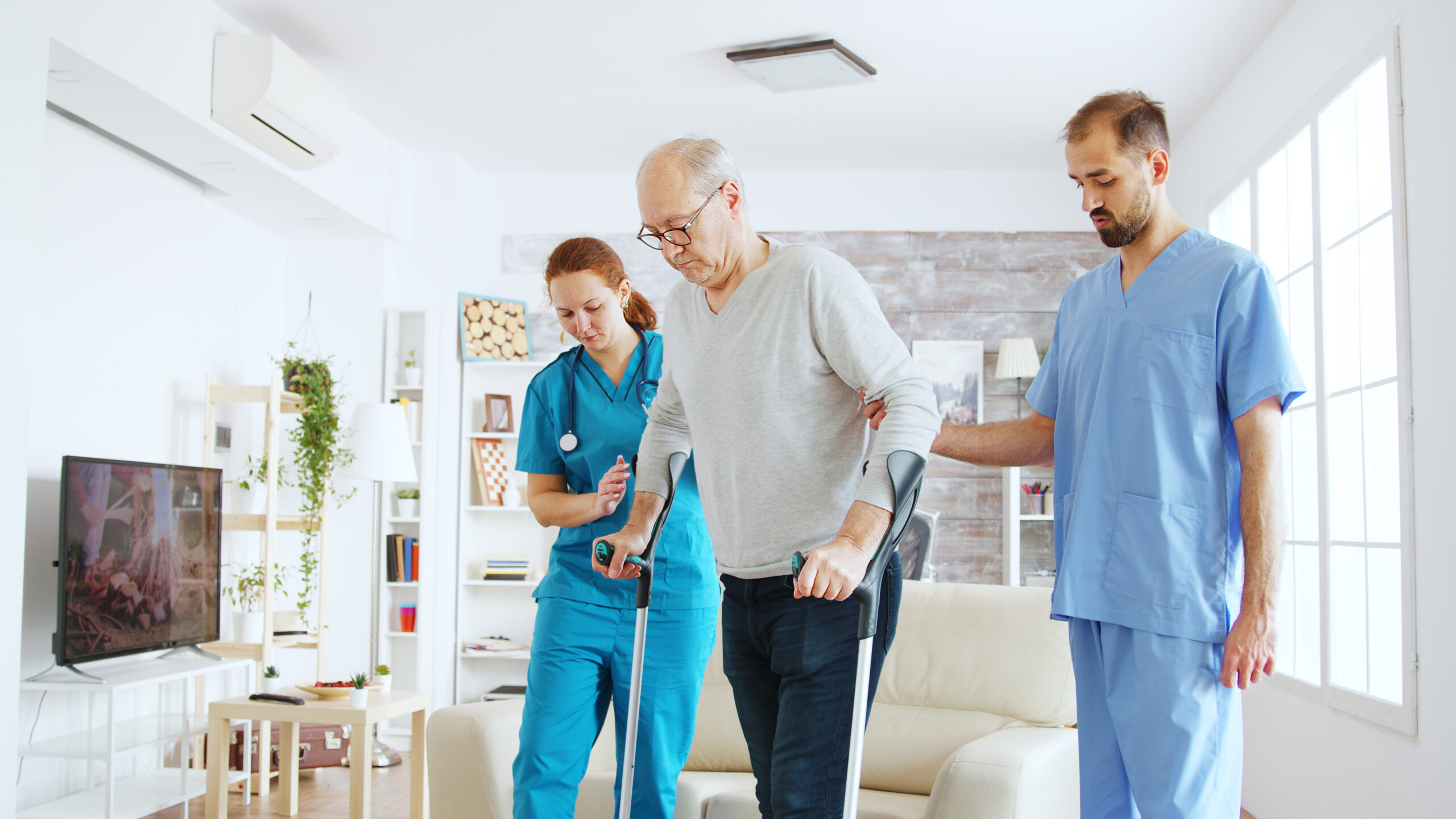
This is exactly the kind of situation where trained care makes a real difference. A trained nurse knows how to use protective equipment correctly, follows proper infection-control practices, monitors a patient’s condition closely enough to catch warning signs early, and can coordinate with your doctor if the situation changes. Family members caring for a sick relative without this training are, understandably, at higher risk simply because close contact is unavoidable and protective habits aren’t always second nature.
At Global Nursing Care At Home, our nurses are trained in infection-control protocols and can support your family safely, whether that’s monitoring a fever at home, coordinating care after a hospital stay, or simply giving you guidance on precautions for a vulnerable family member.
You may also find our guide on home nursing vs. hospital vs. nursing home useful in understanding when home care is appropriate and when hospital care is necessary.
Call 9896836142 for trained nursing support and guidance.
This article is for general awareness and is not a substitute for professional medical advice. If you suspect a serious infection in your household, contact a doctor or your local health authority immediately.